High BMI Health Risks: What the Research Says
A BMI of 30 or above is linked to higher rates of heart disease, diabetes, sleep apnea, and certain cancers. This article reviews what the evidence shows and what it doesn't.
- bmi
- obesity
- health risks
- high bmi
- chronic disease
Medical Disclaimer: This article summarises published research and is not a substitute for professional medical advice. If you are concerned about weight-related health risks, speak with your doctor. BMI is a screening tool; a healthcare provider can order tests that give a fuller picture of your metabolic health.
A large and consistent body of epidemiological research links elevated BMI — particularly BMI at or above 30 — to higher rates of a range of chronic conditions. This is not a statement about any individual: a BMI over 30 does not guarantee disease, and a normal BMI does not guarantee health. But the associations are robust enough that major health organisations including the CDC, NIH, and WHO treat elevated BMI as an independent risk marker for preventive care.
How Elevated BMI Is Defined
The standard obesity threshold is BMI ≥ 30, with three severity classes:
| Class | BMI Range |
|---|---|
| Class I obesity | 30.0 – 34.9 |
| Class II obesity | 35.0 – 39.9 |
| Class III (severe) obesity | 40.0 and above |
Overweight (BMI 25–29.9) also carries modestly elevated risk for several conditions listed below, particularly when combined with high waist circumference.
Cardiovascular Disease
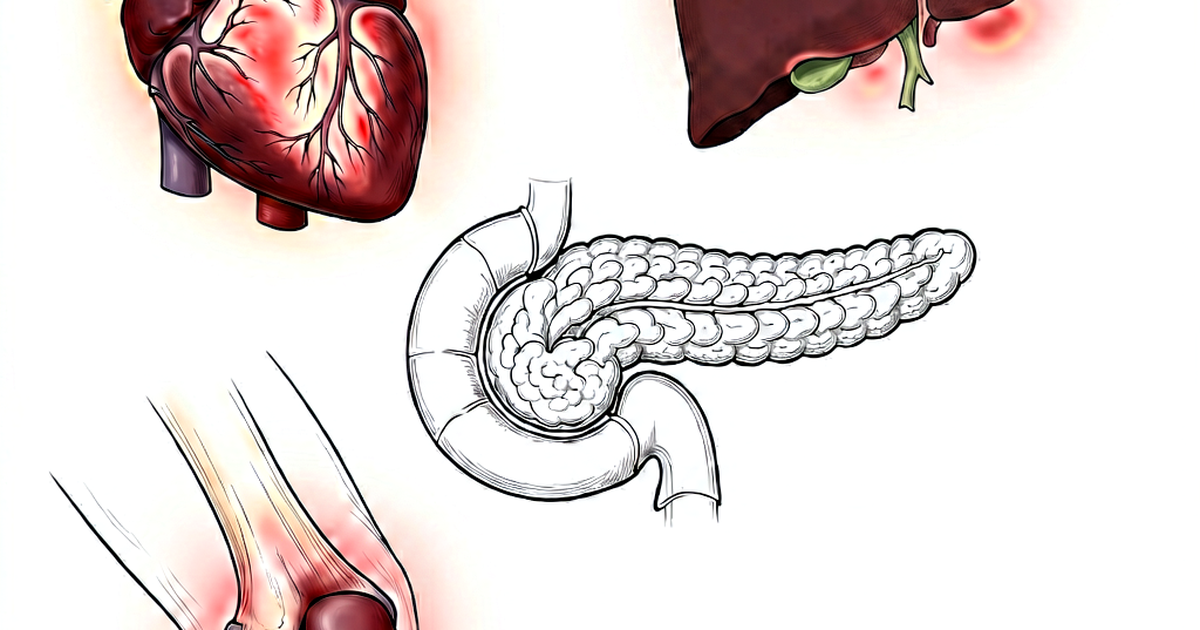
Excess body fat — particularly visceral fat around the abdominal organs — drives chronic low-grade inflammation and promotes a cluster of metabolic changes that increase cardiovascular risk: elevated LDL cholesterol, reduced HDL cholesterol, higher triglycerides, elevated blood pressure, and endothelial dysfunction.
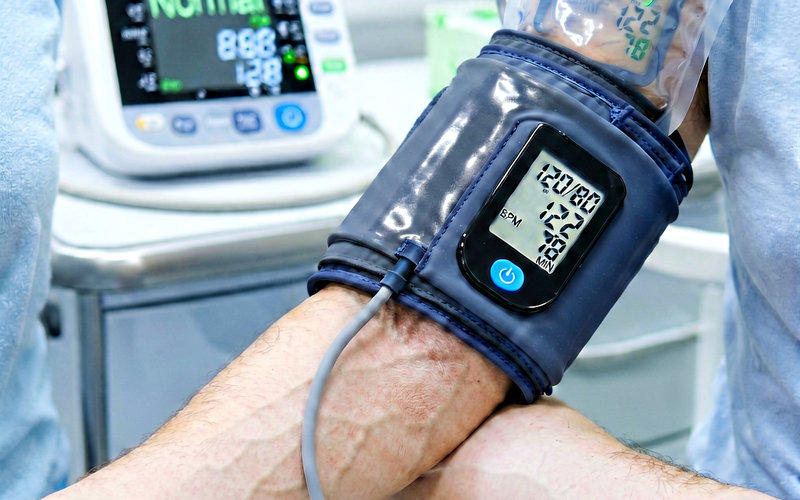
The Framingham Heart Study and subsequent large cohort studies have found that obesity (BMI ≥ 30) is associated with roughly double the risk of developing coronary heart disease compared to normal BMI. Hypertension, which is both a standalone risk factor and a consequence of elevated BMI, affects over 70% of adults with Class II or III obesity. (CDC — Overweight & Obesity: Health Effects)
Type 2 Diabetes
The relationship between BMI and type 2 diabetes is among the strongest in metabolic medicine. Excess adiposity — especially visceral fat — impairs insulin signalling, leading to insulin resistance and, eventually, beta-cell exhaustion. Adults with BMI ≥ 30 are approximately 7 times more likely to develop type 2 diabetes compared to adults with BMI in the normal range, according to data from the Nurses’ Health Study and similar cohorts.
The good news: the relationship is highly reversible. Studies including the Diabetes Prevention Program, funded by the NIH, have shown that modest weight loss — 5–7% of body weight — is sufficient to reduce the risk of developing type 2 diabetes by more than 50% in people with prediabetes. (NIH — Diabetes Prevention Program)
Certain Cancers
The International Agency for Research on Cancer (IARC), which is part of the WHO, has identified overweight and obesity as risk factors for at least 13 types of cancer, including:
- Endometrial (uterine) cancer
- Esophageal adenocarcinoma
- Gastric cardia cancer
- Liver cancer
- Kidney (renal cell) cancer
- Multiple myeloma
- Meningioma
- Pancreatic cancer
- Colorectal cancer
- Gallbladder cancer
- Breast cancer (post-menopausal)
- Ovarian cancer
- Thyroid cancer
The biological mechanisms are thought to include elevated insulin and insulin-like growth factor, increased estrogen production by adipose tissue, and chronic inflammation. (IARC — Body Fatness and Cancer)
Obstructive Sleep Apnea
Excess soft tissue around the neck and throat can narrow and obstruct the upper airway during sleep. Obstructive sleep apnea (OSA) is strongly associated with obesity: prevalence of OSA in people with Class III obesity (BMI ≥ 40) may be as high as 50–98% depending on the population and diagnostic criteria. OSA itself contributes further to cardiovascular risk and metabolic dysfunction, creating a bidirectional relationship with obesity. (National Sleep Foundation — Obesity and Sleep)
Osteoarthritis
Extra body weight increases mechanical load on weight-bearing joints — knees, hips, ankles — accelerating cartilage breakdown. Each pound of excess weight is estimated to add roughly three pounds of extra force on the knee joint. Adults with obesity are significantly more likely to develop knee osteoarthritis, require joint replacement surgery, and experience worse post-surgical outcomes compared to adults with normal BMI. (CDC — Arthritis and Obesity)
Non-Alcoholic Fatty Liver Disease
Non-alcoholic fatty liver disease (NAFLD) and its more severe form, non-alcoholic steatohepatitis (NASH), are closely linked to insulin resistance and abdominal obesity. NAFLD affects an estimated 25–30% of adults in high-income countries and can progress to cirrhosis or liver cancer without any alcohol use. BMI is one of the primary screening criteria for NAFLD in clinical practice.
Mental Health
The relationship between elevated BMI and mental health is complex and bidirectional. Research has found associations between obesity and higher rates of depression and anxiety, though the causal direction varies. Weight stigma — discrimination and bias against people with higher body weight — contributes independently to psychological distress and may be as damaging to mental health as the physiological consequences of obesity. (NIH — Stigma as a Fundamental Cause of Obesity)
Important Caveats
Three key points temper these risk associations:
-
Association is not certainty. These are population-level probabilities. Many people with obesity live long, healthy lives; many people with normal BMI develop these conditions. Individual risk depends on genetics, diet quality, physical activity, sleep, and other factors.
-
Physical fitness modifies risk substantially. Several large studies have found that cardiometabolic fitness — measured by a treadmill test or VO₂ max — is as important a predictor of mortality as BMI. A “fit and overweight” person may have a better cardiovascular prognosis than an “unfit and normal weight” person. (Blair SN et al., 1989, JAMA)
-
BMI is a proxy. The risks described above are primarily driven by excess body fat, particularly visceral fat. BMI is a proxy for fat mass, and an imperfect one. Someone with high muscle mass and a BMI of 28 does not carry the same risks as someone with high fat mass and the same BMI.
What This Means Practically
If your BMI is above 25 — and especially if it is above 30 — it is a reasonable signal to discuss with a healthcare provider. A doctor can assess your actual metabolic risk with a few basic tests (blood pressure, waist circumference, fasting glucose, lipid panel) and help you decide whether and how to address your weight.
The interventions with the strongest evidence for reducing obesity-related health risks are:
- Sustained physical activity — even without significant weight loss, regular aerobic exercise reduces cardiovascular and metabolic risk
- Dietary changes — specifically reducing ultra-processed foods and increasing vegetables, lean protein, and whole grains
- Weight loss of 5–10% — modest but sustained weight loss has outsized benefits for blood pressure, blood sugar, and lipids
- In some cases, medication or bariatric surgery — for Class III obesity or Class II obesity with complications, evidence-based medical interventions significantly reduce risk
Use our BMI calculator to find your current BMI, and bring the number — along with your waist measurement — to your next clinical visit.

Related reading
-
What Is a Healthy BMI? Ranges, Categories, and What They Mean
Learn what a healthy BMI range is for adults, how the four official categories work, and why your number is a starting point—not a verdict.
-
BMI Chart for Women: Understanding Your Results by Age and Height
A practical BMI reference chart for women, with height-by-weight tables, age-related context, and guidance on what the numbers mean for your health.
-
BMI for Children and Teens: How It's Calculated and Interpreted Differently
Child and teen BMI uses age- and sex-specific percentiles, not the adult 18.5–24.9 range. Here's what parents need to know about the CDC's pediatric BMI system.